- calendar_today July 2, 2026
With North & South Carolina experiencing intense triple-digit temperatures in early July, lifeguard heat safety has become a crucial concern for community pools and aquatic centers across the region. As swimmers flock to public pools seeking relief from the sweltering weather, lifeguards are adapting their routines and protocols to ensure their well-being as well as that of pool guests.
Adapting Lifeguard Practices for Heat Safety
Staff at pools throughout North & South Carolina have adopted rigorous heat safety measures to confront the challenges posed by the extreme heat. Hours spent in direct sunlight, combined with the physical demands of lifeguarding, can increase the risk of heat-related illnesses. Among the top priorities is educating staff on lifeguard safety protocols and recognizing when intervention is necessary.
The Importance of Hydration and Regular Breaks
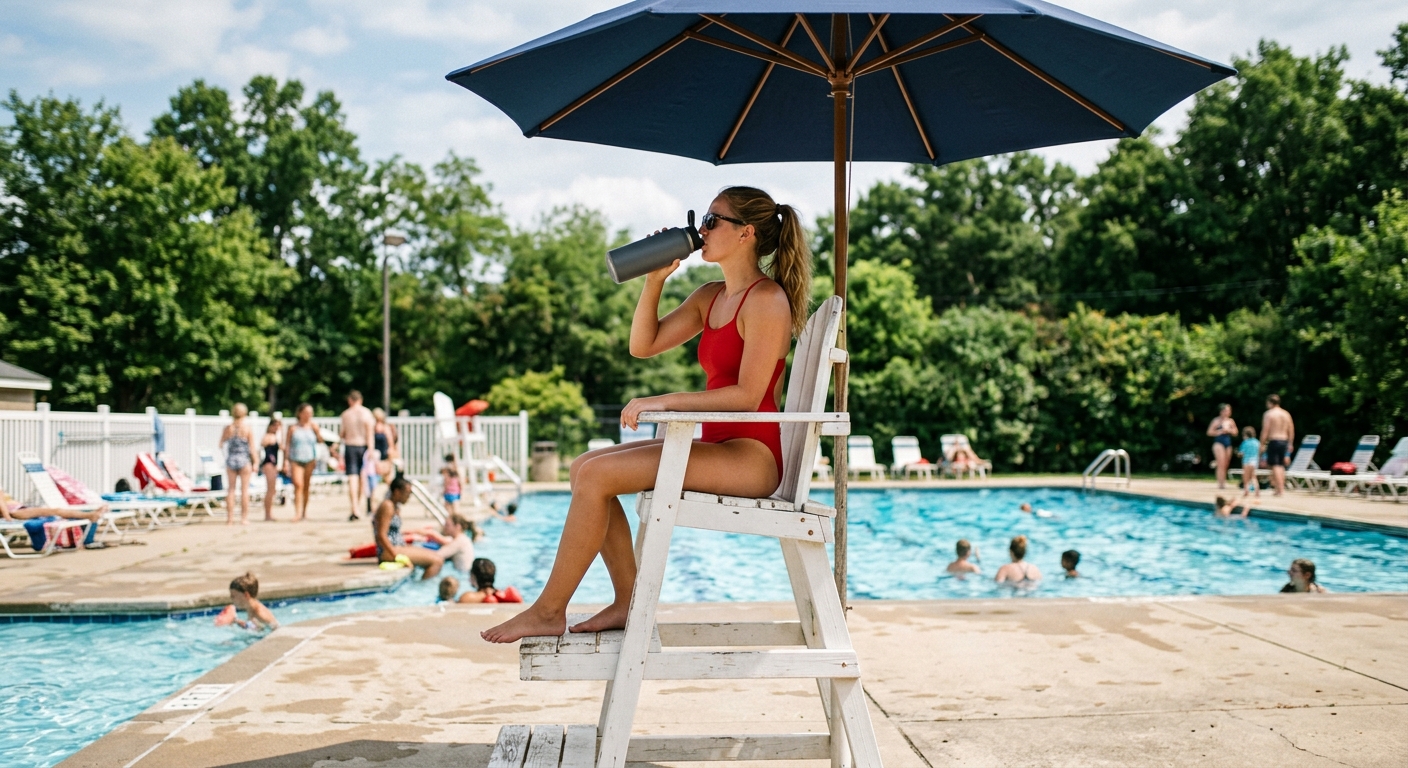
Hydration stands as the central pillar of lifeguard heat safety. According to health experts, an individual can lose up to a gallon of water on an especially hot day, making proper hydration essential. Lifeguards are encouraged to frequently consume water and electrolyte-rich beverages and to review hydration tips regularly with supervisors. The body’s cooling mechanisms, including sweating, depend on having adequate fluids to function effectively.
Heat Advisories and Preventing Heat Exhaustion
This season’s persistent heat advisories necessitate even stricter adherence to protocols. Heat exhaustion can develop rapidly, especially for those in high-stress outdoor roles such as lifeguards. Early symptoms may include dizziness, nausea, or muscle cramps. Pool managers are working to ensure all lifeguards are trained to detect and respond promptly to signs of heat exhaustion in themselves and others.
Compliance with OSHA’s Heat Guidelines
Occupational health standards remain at the forefront of summer pool operations. Compliance with OSHA’s heat guidelines has resulted in formalized break schedules, with lifeguards receiving water and rest at least once per hour. These scheduled heat breaks provide time in shaded or air-conditioned environments, a critical component of workplace safety during periods of extreme heat. Facility directors throughout North & South Carolina have reinforced the importance of adhering to these industry standards.
Cooling Strategies for Lifeguards
A range of cooling strategies have been implemented to support lifeguard safety. Pools are providing shaded rotation stations, mobile fans, and ready access to cold drinks. Some facilities have also created designated rest zones, away from the deck’s direct sun, where staff can recover before returning to their duties. Recommendations for topical cooling methods, such as applying wet towels, are often shared during in-service trainings.
Community Commitment to Pool Safety
Local officials emphasize that proactive measures not only safeguard staff but also contribute to overall pool safety. When lifeguard heat safety protocols are in place, staff remain alert and responsive, ensuring rapid intervention for swimmers in distress. Public pool users are reminded to follow instructions regarding safety and heat exposure for their own well-being.
Ongoing Education for Lifeguard Teams
Training on lifeguard safety, heat breaks, and the recognition of heat exhaustion is a continuous process. Most aquatic facilities in the region dedicate part of their regular trainings to review new research and best practices, ensuring that each member of the team is equipped to handle the risks associated with extreme heat.
Looking Ahead to a Safe Summer
With forecasted temperatures showing little sign of cooling, North & South Carolina’s commitment to lifeguard heat safety remains unwavering. Through diligent application of heat safety protocols and collaborative community efforts, pools across the region aim to provide a safe, enjoyable environment for all this summer.