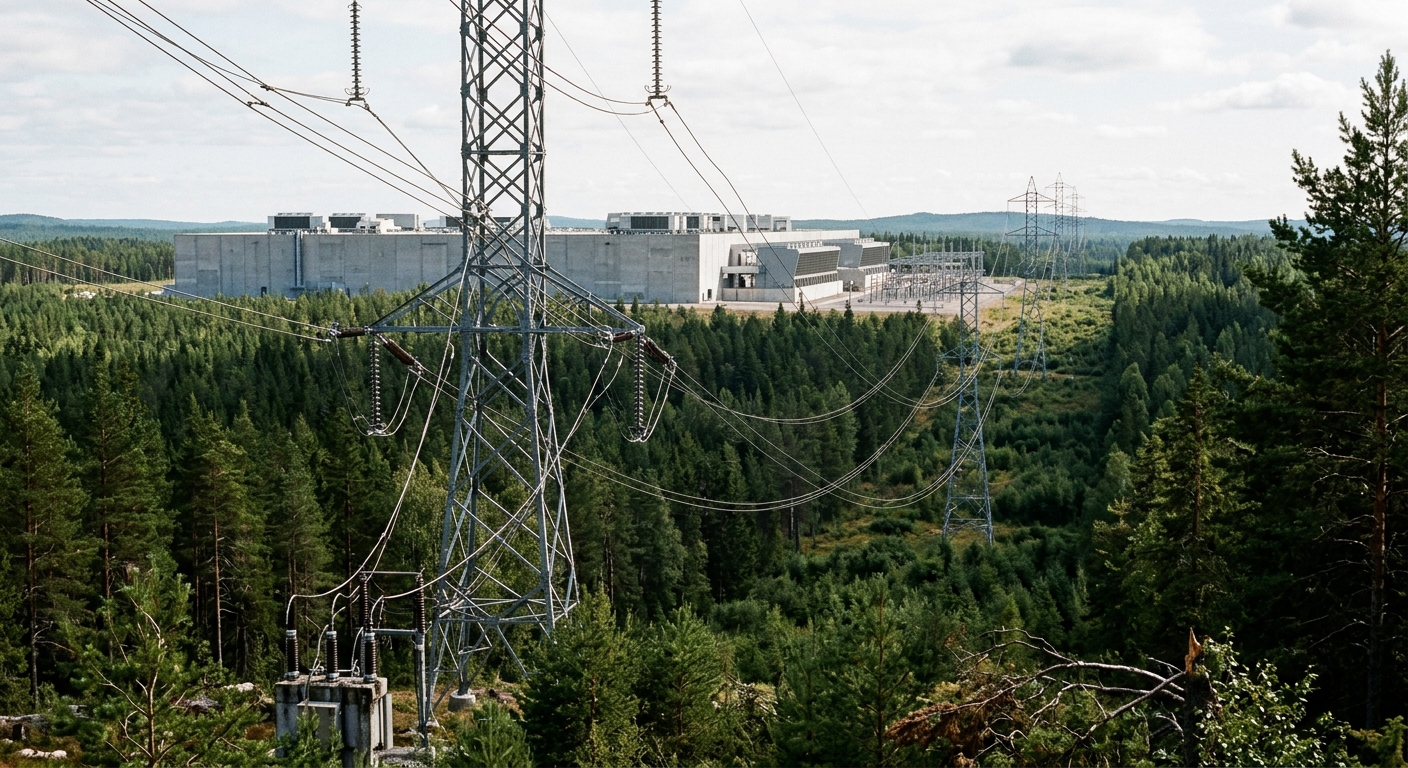
AI-generated illustration; not a photograph of the reported event.
- calendar_today November 21, 2026
Commissioner Resignation Comes Amid Rising Electricity Rates
A member of the North Carolina Utilities Commission, Commissioner Donald van der Vaart, has announced his resignation effective January 1, 2027. This decision comes shortly after the commission approved residential rate hikes for Duke Energy customers—an action that van der Vaart opposed in part due to concerns about who will ultimately be responsible for the costs of new power plants intended to serve data centers.
Dissent on Duke Energy Rate Hike Decision
On Monday, the Utilities Commission approved rate increases that will raise residential electric bills for Duke Energy customers by more than 9% over 2027 and 2028. Van der Vaart partially dissented from the decision regarding Duke Energy Progress, expressing reservations that new consumer protections for large data centers were insufficient.
According to van der Vaart, Duke Energy has signed contracts for approximately 6.7 gigawatts of new electricity demand across the Carolinas, primarily from data centers. He noted that this demand is more than triple the peak electricity usage of Raleigh, North Carolina.
New Requirements for Data Centers
The commission’s updated rate schedule for large data centers includes a mandate for long-term contracts, requiring these customers to pay for at least 75% of the power they reserve, even if unused, and to pay upfront for certain infrastructure built specifically for them. However, van der Vaart argued that these safeguards do not go far enough.
He raised the issue of long-term financing versus short-term contracts, warning that if data centers terminate their contracts prematurely, other families and businesses could be left with the bill for power plants constructed for the data centers’ benefit. "The mismatch is like financing a house over 35 years for a tenant who promises to stay only 15," he wrote in his dissent.
Debate Over a Separate Rate Class
Van der Vaart recommended that data centers should pay upfront for the power plants built to serve them. He also called for the creation of a distinct rate class for data centers—a position echoed by North Carolina Governor Josh Stein. A separate rate class would allow for costs associated with serving data centers to be assessed separately from those borne by general consumers.
However, the commission determined there is not yet enough data to establish such a rate class. Instead, Duke Energy Progress has been instructed to track revenues and costs related to data centers and provide a detailed analysis in its next rate case.
Governor and Public Response
Governor Stein criticized the commission’s decision, labeling the rate increase as too high. He also pointed out that the commission’s order reduces plans for wind and solar energy, delays nuclear projects, and increases reliance on fossil fuels. Stein stated that while new tariffs introduce some protections and require data centers to pay some of their costs, further actions are needed to ensure data centers bear the full cost of their energy usage and contribute to clean energy requirements.
Van der Vaart’s resignation becomes effective the same day the first phase of Duke Energy rate increases takes effect. Duke Energy issued a statement expressing its intention to work with van der Vaart’s replacement upon appointment.
Background on Commissioner van der Vaart
Donald van der Vaart is a former secretary of the North Carolina Department of Environmental Quality and an engineer and attorney by training. He joined the commission in April 2025 after an appointment by State Treasurer Brad Briner, who will select van der Vaart’s replacement.
The North Carolina Utilities Commission regulates the rates and services of investor-owned public utilities in the state. CBS 17 has reached out to van der Vaart for comment but has not received a response.
Related coverage
Source: cbs17.com.