- calendar_today August 6, 2026
In North & South Carolina, the recent north carolina drought continues to present challenges for water systems, despite relief from recent rainfall. Regional water experts report that the prolonged dry spell has resulted in changes to water quality that affect both public utilities and private well owners.
Water Quality Concerns Emerge After Rainfall
While steady precipitation has eased drought concerns in some communities, water quality remains under scrutiny. As groundwater levels and lake storage decreased during the drought, water temperature rose in affected reservoirs. This, combined with low flows, contributed to increased algae growth and a spike in contaminants concentration in certain drinking water sources.
Role of Public Water Utilities
Public water utilities across North and South Carolina are monitoring conditions closely. Utilities such as Raleigh Water and Orange Water and Sewer Authority (OWASA) have adjusted their operations, modifying chemical dosing and employing flexible reservoir management practices to maintain safe water supplies. These agencies continually adapt their water treatment strategies to address quality fluctuations brought about by the north carolina drought and its aftermath.
Private Wells: Additional Vigilance Required
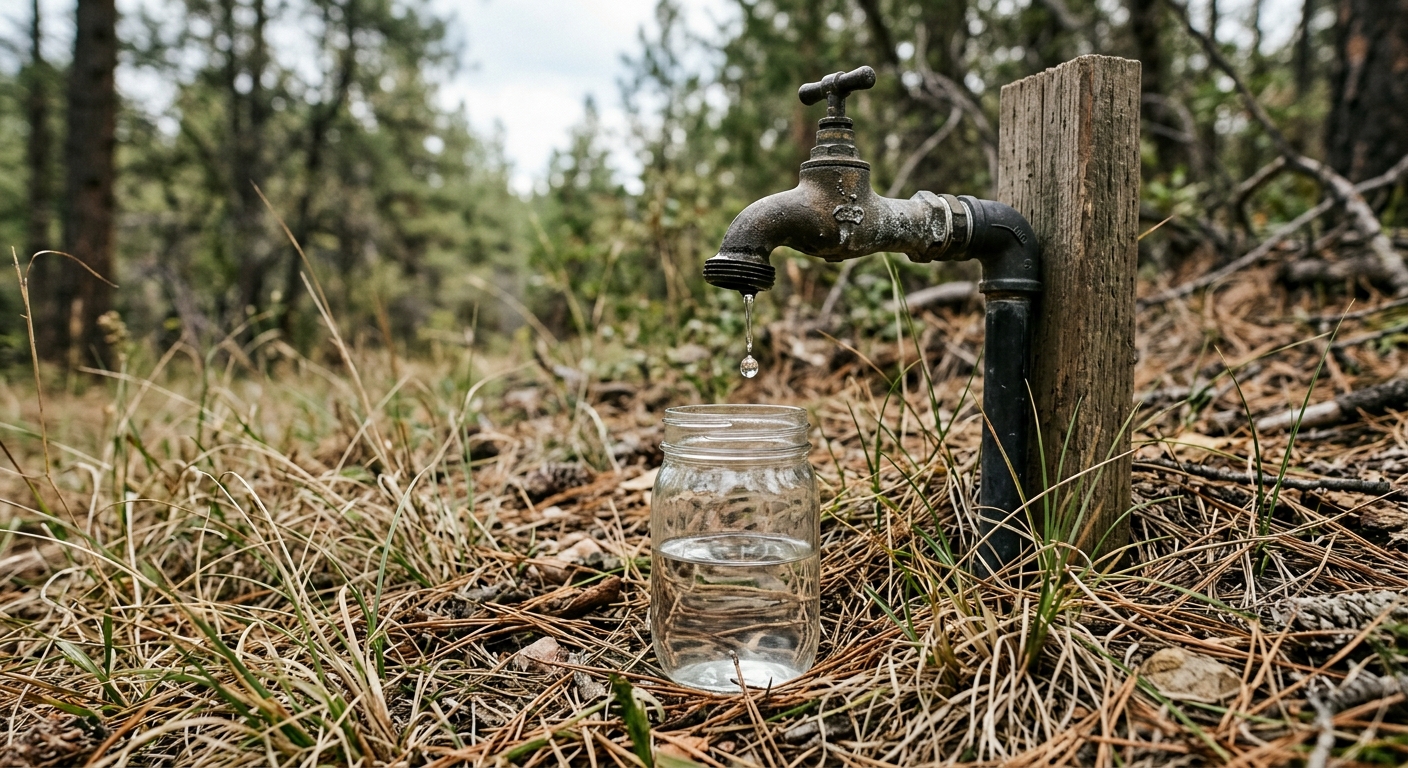
The region features a significant population relying on private wells. Unlike municipal customers, these homeowners are responsible for tracking their own water safety. Many have reported shifts in their water’s taste, color, or pressure since the drought—signals that underlying groundwater levels have shifted. Experts advise that well testing should become a priority for these property owners, particularly following drought recovery periods or after major rainfall events.
Household Response: Investments in Water Treatment
Coping with these changes, some residents have installed advanced filtration devices, such as reverse osmosis systems. While these systems can mitigate select issues, they may not safeguard every tap or address all forms of contamination. Water professionals reiterate that regular, comprehensive well testing is crucial, and treatment solutions should be tailored to the specific contaminants concentration found in individual homes.
Drought Effects Linger Despite Rain
Though rainfall has lessened immediate shortages, drought effects on the region’s water systems are expected to persist for months ahead. Experts point out that even after a heavy rain event, runoff can sweep sediment and new pollutants into lakes and aquifers, adding further complexity to water quality management. Utilities remain proactive, but private well owners must not become complacent.
Long-Term Approach to Safe Drinking Water
Ensuring reliable, safe drinking water in North & South Carolina demands ongoing adaptation and vigilance from both public utilities and private citizens. The evolving landscape caused by the north carolina drought underscores the importance of annual well testing, responsive reservoir management, and community awareness. With persistent climate variability, both communities and households are urged to remain alert to subtle changes in water conditions and take proactive measures to manage potential risks.