- calendar_today July 10, 2026
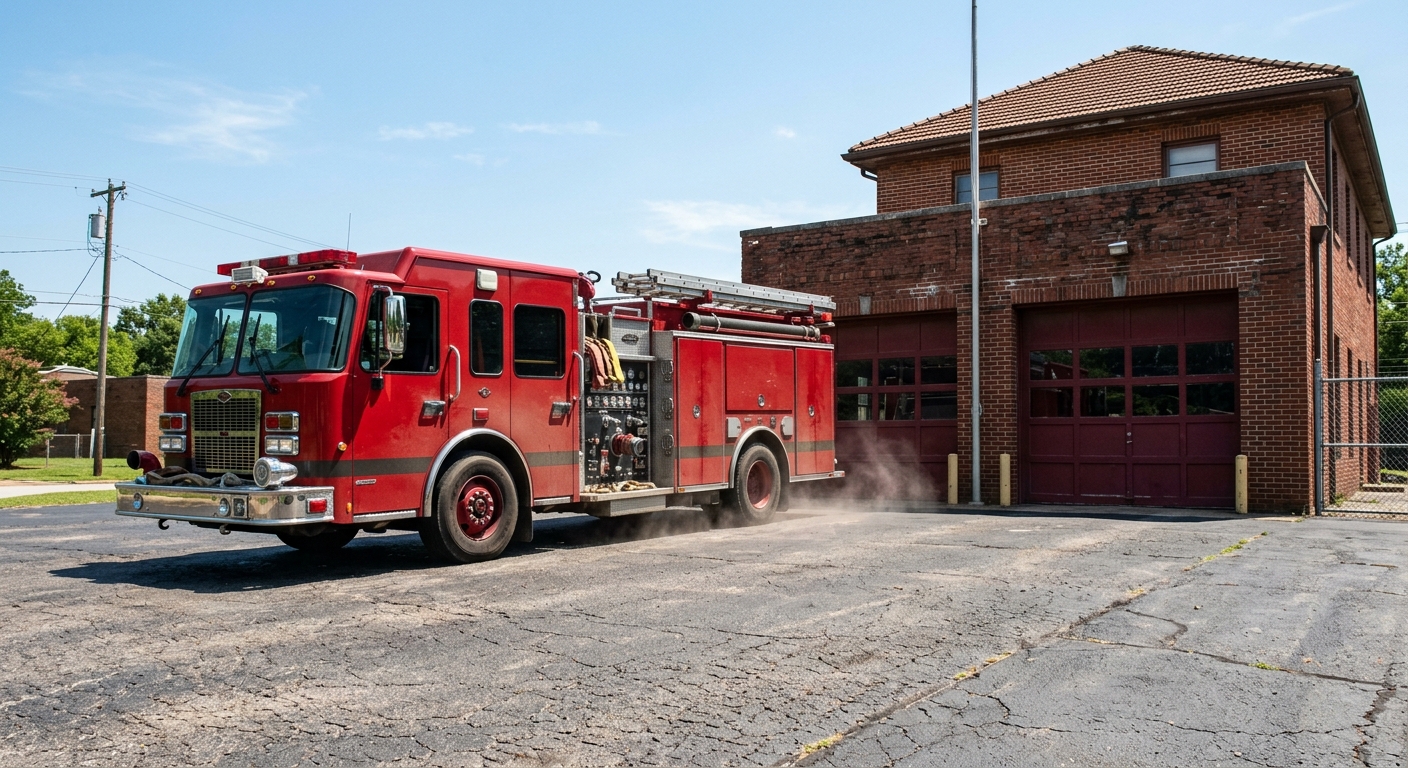
Amid a scorching summer marked by soaring temperatures, fire departments in North & South Carolina are grappling with critical challenges involving their fire trucks. The Holly Springs Fire Department, located in the heart of this dual-state region, is contending with significant operational obstacles as three out of its six primary fire trucks have non-functioning air conditioning systems—a predicament unfolding during one of the hottest seasons in recent memory.
Heatwave Exposes Vulnerabilities in Fire Truck Operations
With daily highs reaching well into the triple digits, the failure of fire truck air conditioning units has put added stress on firefighters and their ability to respond efficiently. Fire Chief LeRoy Smith of Holly Springs says this is far from an isolated incident, noting that multiple departments have seen similar malfunctions, pointing to a widespread issue affecting fire department vehicles across North & South Carolina. The region’s emergency vehicles, essential for rapid fire suppression and rescue, are directly impacted as crews battle both flames and oppressive heat inside their vehicles.
A Backlog of Repairs and Widespread Delays
The demand for fire truck repairs has reached unprecedented levels. According to area repair vendors, nearly 30 fire trucks are currently in line waiting for air conditioning service alone. The uniquely demanding nature of fire trucks—including prolonged idling at emergency scenes, exposure to extreme environmental temperatures, and a labyrinth of complex plumbing—means that air conditioning systems are prone to failure. Many technicians cite the design and operational environment as major contributors to the uptick in fire truck maintenance issues this year.
Supply Chain Issues Complicate Replacements
Efforts to replace aging or malfunctioning fire trucks are meeting significant hurdles. Pandemic-related supply chain disruptions have created extensive delays in the delivery of new emergency vehicles. Holly Springs is not alone in navigating these obstacles; fire departments throughout North & South Carolina report similar postponements. Chief Smith said that while the department expects to receive three new fire truck replacements starting next spring, the wait for specialized vehicles, such as new ladder trucks, can extend to three or even four years—dramatically longer than in past cycles. Fire truck delays are forcing departments to rely on increasingly older fire response vehicles, complicating both safety and operational readiness.
Regional Perspectives Highlight Broader Challenges
The air conditioning failures aren’t universal. For example, the Raleigh Fire Department currently reports no significant AC problems in its fleet. However, fire truck vendors and maintenance personnel stress that the issue remains persistent across the broader region, raising concerns about the long-term resilience of fire department vehicles statewide. Fire department managers in both urban and rural communities are reassessing maintenance schedules and vendor relationships in an effort to improve outcomes and minimize downtime in their vital response fleets.
Adapting to Immediate Risks
As the AC crisis persists, first responders are forced to find alternative strategies for coping with heat inside fire trucks. Many firefighters now wear lighter, short-sleeve uniforms during non-emergency periods to combat fire truck heat. During high-intensity operations, on-site emergency medical services (EMS) teams offer rapid cooling interventions such as cold packs and hydration. These measures help firefighters avoid heat-related illnesses while operating under extreme conditions. Despite these adaptive strategies, the inability to keep the interiors of fire response vehicles at safe temperatures underscores the urgent need for systemic solutions.
Looking Ahead: Upgrades and Industry Change
This ongoing situation signals an industry-wide challenge for both fire truck vendors and municipal agencies tasked with safeguarding the public. Plans are underway to modernize and upgrade North & South Carolina’s fire fleets, but the pace of progress depends on the ability to navigate both supply chain obstacles and evolving requirements for fire department vehicles. Until new units arrive, departments must manage a careful balance between vehicle availability and maintenance demands, ensuring they can fulfill their lifesaving missions.