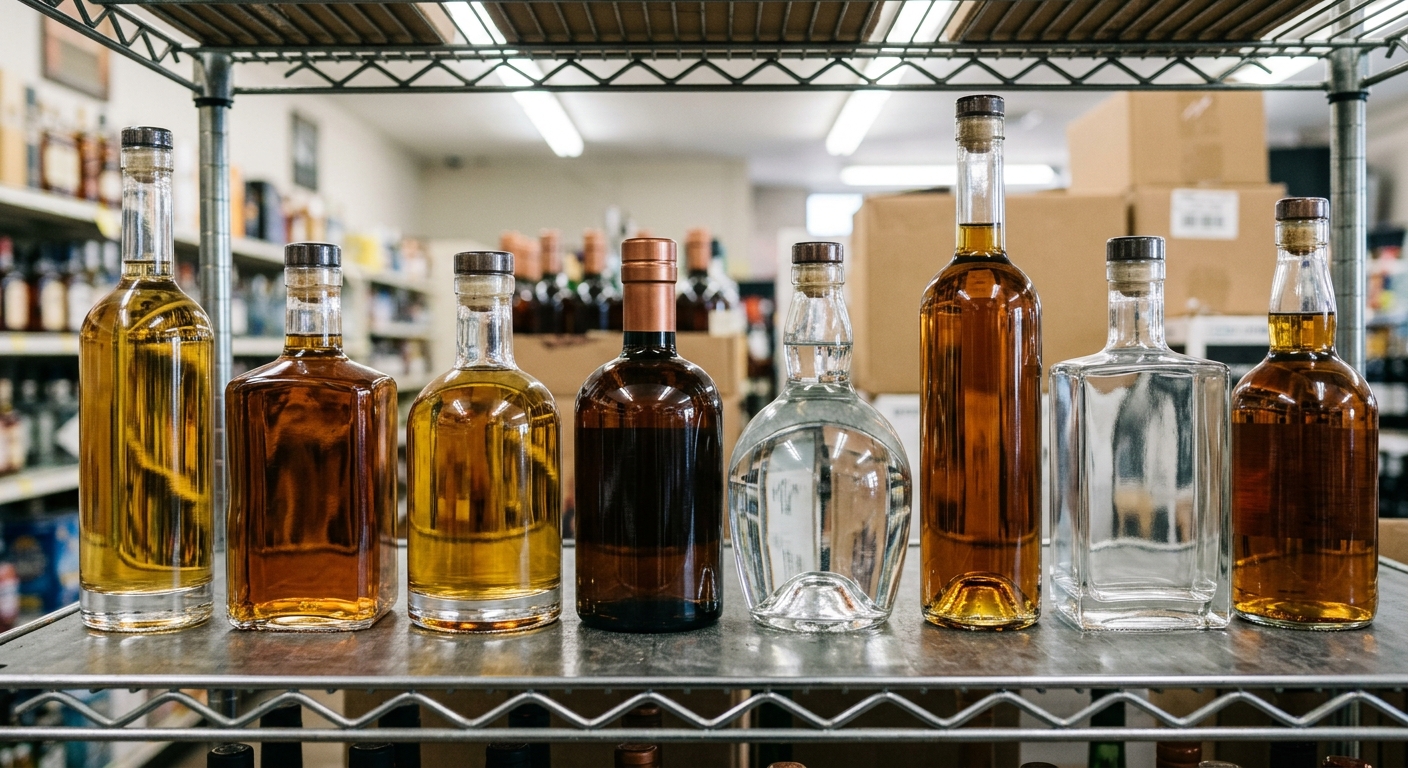
AI-generated illustration; not a photograph of the reported event.
- calendar_today August 13, 2026
In North & South Carolina, a significant proposal focused on liquor pricing north carolina is under consideration by state leaders. The plan, advanced by the North Carolina Alcoholic Beverage Control (ABC) Commission, seeks to raise the minimum price of some of the most affordable spirits in retail stores—a strategy publicly promoted as a public health measure designed to curb excessive drinking among teens and younger adults across the region.
ABC Commission’s Rationale: Balancing Health and Revenue
While the abc commission has emphasized the potential for positive public health outcomes, newly reviewed documents point to a dual motivation. The commission’s own report estimates that increasing minimum liquor prices could generate at least $5 million in annual alcohol sales revenue for the state. Actual projections could exceed this estimate, given some data gaps and ongoing evaluation of North Carolina liquor consumption patterns. The commission has confirmed that the alcohol pricing policy aims to both discourage unhealthy behaviors and strengthen the state’s financial footing.
Current Trends: Revenue Rises Despite Stable Sales Volume
Recent trends show that between May 2025 and May 2026, liquor sales volume in North Carolina barely changed, yet overall retail liquor sales revenue grew over 3%. This uptick is not attributed to increased consumption, but rather higher prices and changing consumer preferences, such as a greater demand for budget-friendly spirits. According to ABC officials, this shift has altered profits—even as the number of cases sold climbed, rising costs and inflation have diluted the financial benefits typically associated with higher sales.
Inflation and Shifting Consumer Behavior
The inflation impact on North Carolina liquor sales is significant. Many consumers are opting for less costly brands, meaning higher case numbers have not directly translated to larger profits for the state. Regional liquor stores and stakeholders in both North & South Carolina have noticed these trends, reflecting national economic pressures as they adapt to fluctuating price points and evolving demand.
Weighing the Effects on Local Communities
Supporters of the new plan maintain that higher minimum liquor prices could help reduce alcohol-related risks among youth and young adults, particularly in college towns and urban centers across North & South Carolina. However, some community advocates question whether price increases might disproportionately affect lower-income residents, a concern the ABC Commission has said will be considered in upcoming research and policy discussions.
Next Steps: Awaiting Further Research and Debate
As of now, the proposed alcohol pricing policy has not yet been officially adopted. The abc commission has announced that more state-specific research is needed before moving forward. A public meeting is scheduled for September 2026, when stakeholders from throughout North & South Carolina are expected to review economic forecasts, examine public health data, and discuss possible revisions.
Regional Perspective: Implications Beyond North Carolina
The ongoing policy debate in North Carolina is being closely watched by neighboring South Carolina and industry observers. Changes to north carolina liquor pricing could influence broader regional practices and offer insights for other states grappling with similar challenges relating to retail liquor sales, health impacts, and state budgets.
As state officials deliberate, residents and business owners in both North & South Carolina await a resolution—one that balances fiscal responsibility, consumer behavior, and public health priorities in the ongoing conversation surrounding liquor pricing north carolina.