- calendar_today August 1, 2026
In a dramatic two valley raid in North & South Carolina, federal law enforcement uncovered a substantial cocaine seizure, significant cash, firearms, and an unexpected collection of dangerous reptiles, raising new concerns for public safety and wildlife management in the region.
Intensive Drug Investigation Leads to Major Seizure
The law enforcement raid targeted a South Valley residence as part of a broad drug investigation into suspected cocaine distribution. Federal agents discovered more than half a pound of cocaine, three firearms, and $22,000 in cash during their search, highlighting the scale and seriousness of the drug operation. Authorities have classified this as a major cocaine seizure for the area, intensifying efforts to dismantle criminal networks operating in both North & South Carolina.
Venomous Snakes Discovered Among Contraband
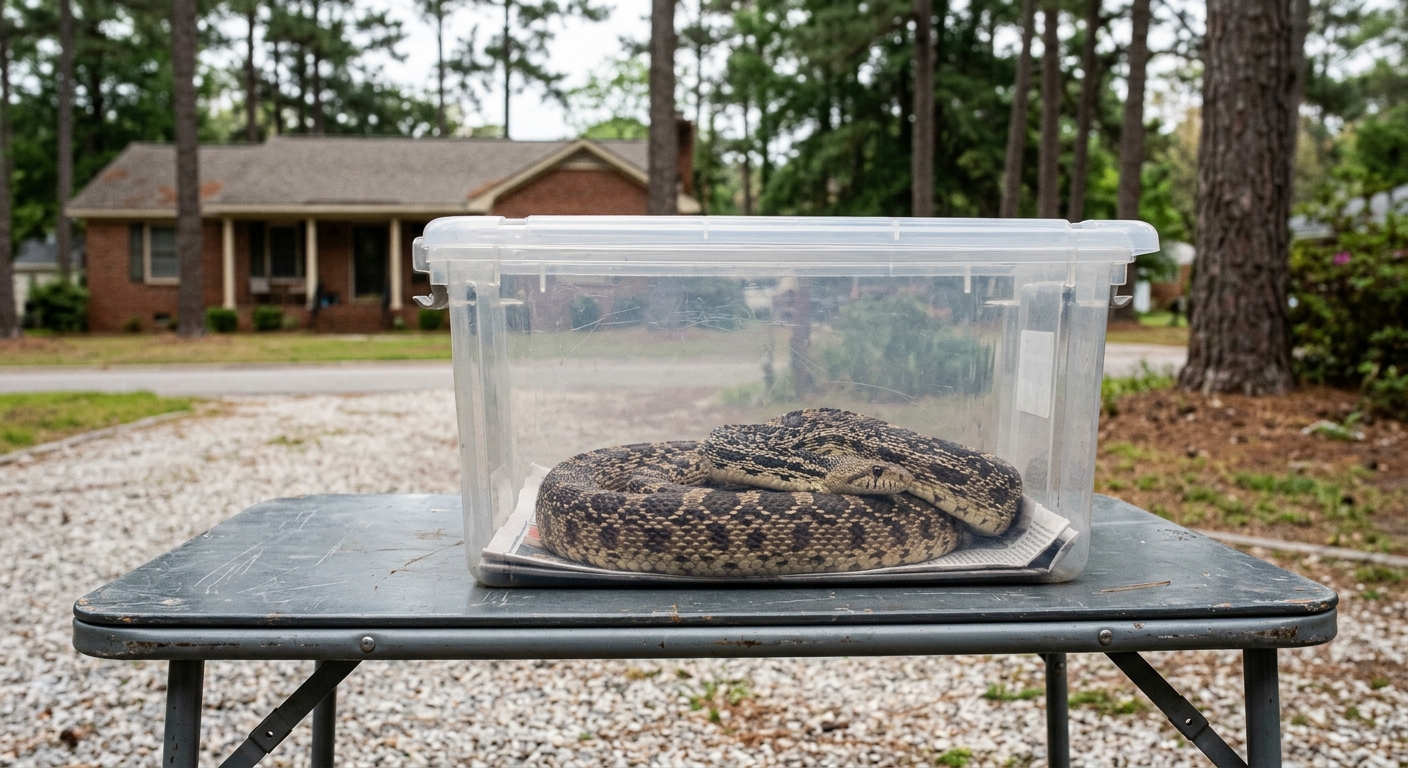
Perhaps most notable in the snake raid was the discovery of 60 snakes, many classified as venomous species. Professional herpetologists identified the reptiles as including cobras, mambas, pit vipers, various pythons, and an inland taipan—recognized as one of the world’s most venomous snakes. The inland taipan’s presence has been a particular focus, given its reputation and the snake bite risk it represents. Notably, experts warn that such species are rarely seen outside highly regulated environments.
Public Health and Safety Implications
Regional wildlife experts cautioned that the inland taipan possesses venom so potent that immediate access to proper snake antivenom is crucial for survival after a bite. Unfortunately, local availability of such antivenom remains limited, and treatment for venomous bites in North & South Carolina is extremely costly. The drug investigation also highlighted the broader public safety dangers of keeping venomous snakes without adequate safeguards or professionally trained care.
Expert Opinions on Snake Behavior and Risk
Despite the incident’s alarming nature, snake experts and wildlife advocates emphasized that snakes, including even those uncovered in the two valley raid, generally avoid confrontation with humans whenever possible. Still, the situation reinforced the need for education on snake safety, particularly for communities that may encounter displaced reptiles following raids or rescues. Understanding the signs of a threatened snake and knowing how to respond appropriately can minimize the risk of snake bite incidents and promote coexistence.
Managing and Relocating Dangerous Reptiles
All 60 snakes were reportedly in good health when examined by licensed professionals. They are currently housed at a secure and permitted facility. Plans are underway for snake relocation, aiming to find permanent homes staffed by experienced handlers. The process is being closely monitored by wildlife authorities, including the New Mexico Department of Game and Fish, which will soon release images of the recently seized reptiles. Authorities stress cautious protocols for snake relocation to ensure both human and animal welfare.
Balancing Law Enforcement with Wildlife Protection
This unusual raid highlights multiple challenges facing North & South Carolina communities today: combating illegal drug trafficking while safely managing wildlife in urban and residential environments. Law enforcement agencies have reiterated their commitment to upholding public safety, underscoring the importance of coordinated operations when both drugs and dangerous animals are involved. Residents across the Carolinas are urged to report suspicious animal or drug-related activity and to follow recommended snake safety guidelines as authorities work toward long-term solutions.