- calendar_today July 15, 2026
State officials have issued swimming warnings for several coastal and riverfront sites in North & South Carolina after recent tests revealed elevated bacteria levels in local recreational water. The move, aimed at protecting public health, reflects growing concern as bacteria concentrations surpass both state and EPA standards.
Warning Sites Identified Along the Coast
The North Carolina Recreational Water Quality Program has highlighted critical areas where swimming advisories are in place. Banks Channel at Wrightsville Beach reported a running monthly average of 56 enterococci bacteria per 100 milliliters, far above the accepted limit of 35. Similarly, two waterfront locations in Morehead City, as well as public access points in Bogue Sound, remain under ongoing advisories due to continued detection of fecal bacteria. These elevated bacteria levels pose a significant public health risk for swimmers and local communities.
Understanding Swimming Warnings and Regional Impact
The swimming warnings issued by health officials do not amount to full beach closures. However, they urge residents and visitors to exercise caution when within 200 feet of posted warning signs. Swimming in waters with high bacteria concentrations can result in gastrointestinal issues and skin infections, particularly for vulnerable populations such as children and the elderly. With the north Carolina coast serving as a popular destination, the warnings have regional implications for tourism and community recreation.
Role of Water Quality Monitoring Programs
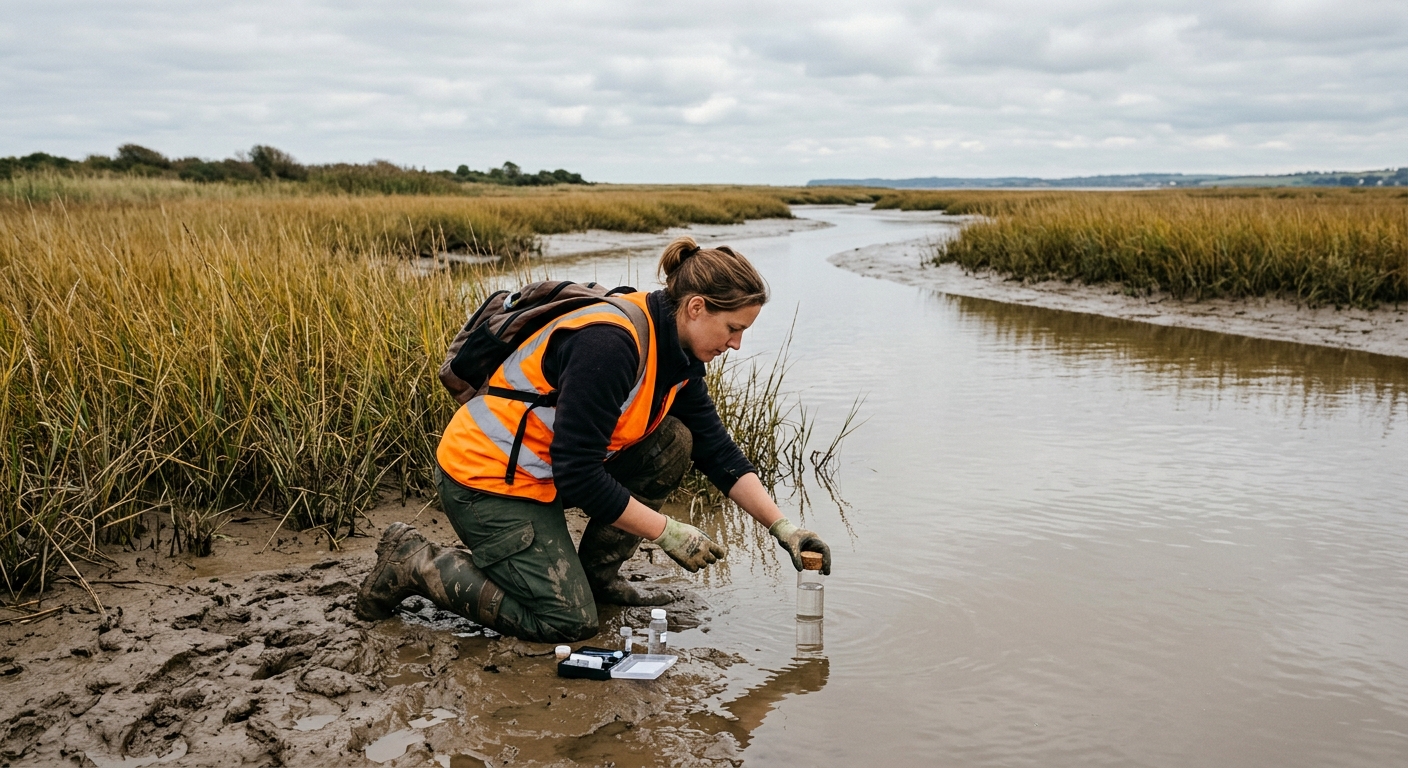
Maintaining water quality is a top priority for authorities monitoring recreational water sites. The regular testing of bacteria levels provides early alerts about potential hazards. The North Carolina Recreational Water Quality Program, in coordination with other agencies, tests frequently for indicators such as enterococci bacteria, which is a reliable marker of fecal contamination. Compliance with EPA standards ensures that bathers are alerted to rising risks in real time.
Sound Rivers Adds Data from River Swimming Sites
Further underscoring the importance of vigilance, Sound Rivers, a dedicated nonprofit water testing organization, has detected bacterial contamination at several river swimming sites across the region. The group’s recent analyses showed failures at multiple points along the Pamlico and Neuse Rivers. These findings included notable concentrations of both E. coli and enterococci bacteria, prompting swimming warnings even at sites away from the immediate coastline.
Collaborative Efforts Across North & South Carolina
Sound Rivers’ commitment involves monitoring more than 50 river swimming locations each week during the summer months. The scope of their efforts underscores both the popularity of river-based recreation and the need for public awareness about potential contamination risks. State and nonprofit collaborations have expanded the regional focus beyond the north Carolina coast to include interior bodies of water, providing timely information for communities seeking safe recreational water opportunities.
Addressing Public Health Risks Through Awareness
Officials stress the critical role of public notifications and clear signage in reducing the public health risk associated with fecal bacteria and other contaminants. Residents and visitors are encouraged to heed swimming warnings, avoid contact with the water at affected sites, and check for the latest updates before planning water-based activities. Continued diligence remains key for safeguarding everyone who enjoys North & South Carolina’s diverse aquatic environments.