- calendar_today April 28, 2026
In North & South Carolina, Democratic lawmakers are advancing new immigration school policies designed to safeguard immigrant students from federal immigration enforcement on school grounds. The legislative movement comes in response to heightened immigration crackdowns, particularly following November’s “Operation Charlotte’s Web,” which resulted in over 1,300 arrests and prompted widespread concern and absenteeism among students in the region.
Uniform Guidelines for Immigration Enforcement in Schools
The proposed measures would require all public school districts in North Carolina to develop uniform procedures regarding interactions with immigration enforcement agents. By formalizing these policies, lawmakers aim to eliminate uncertainty for educators and administrators when federal agents request access to students or school property, thereby protecting school communities from abrupt disruptions.
Enhancing Student Data Privacy and Parental Consent
A central component of the legislation is the emphasis on student rights immigration, particularly regarding the privacy of school records. The bills would mandate parental consent before any student information is released to immigration enforcement agencies. Additionally, schools would be required to promptly inform parents if immigration officials request access to either students or their personal data, giving families greater control and awareness over sensitive matters. This push for school data privacy recognizes the vital role parents play in advocating for their children, especially amid ongoing immigration enforcement schools operations in the North & South Carolina region.
Affirming Educational Rights of Noncitizen Students
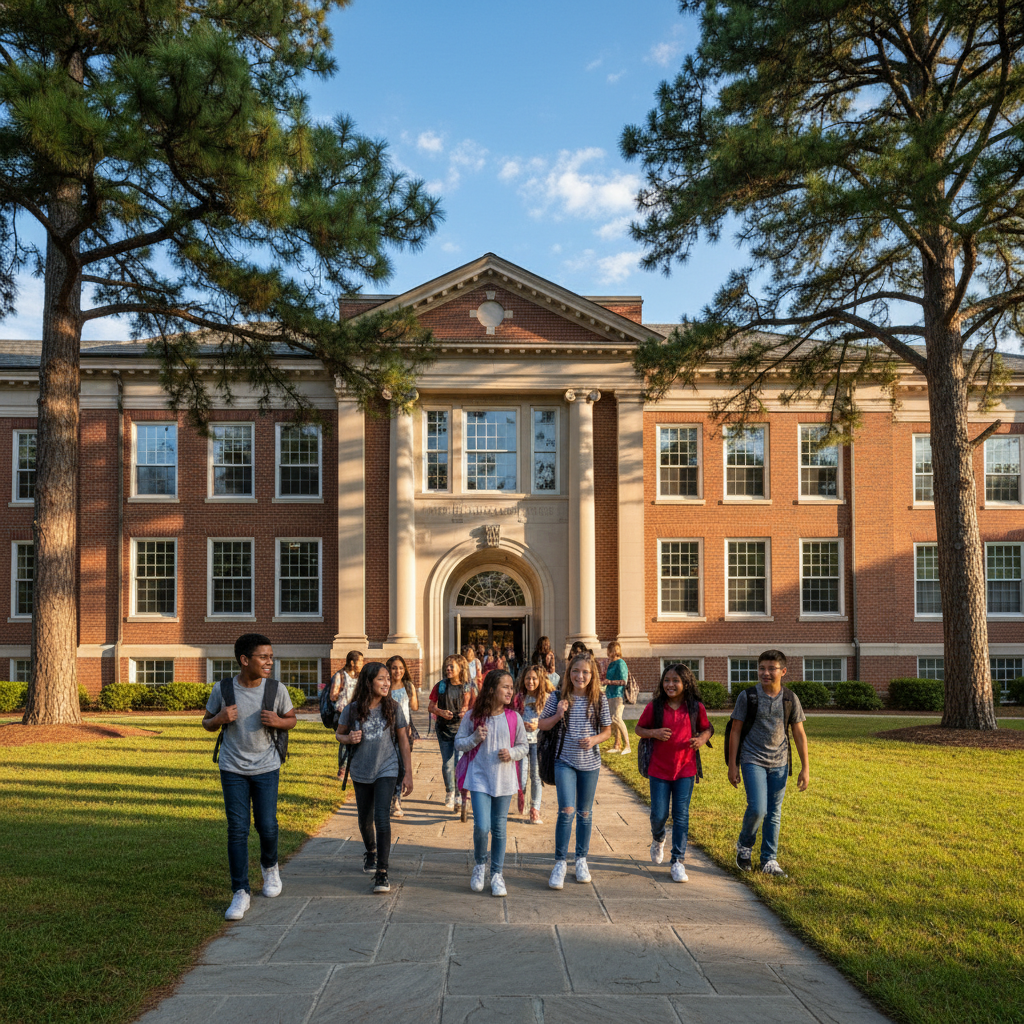
One key piece of the proposed public school legislation seeks to enshrine the rights of noncitizen children to attend public schools, reaffirming the 1982 Supreme Court decision in Plyler v. Doe. This approach stands in contrast to recent legislative trends in other states seeking to deny public education to undocumented children. Local advocates argue that these noncitizen education rights are fundamental for the stability and well-being of all students in the North & South Carolina community, regardless of immigration status.
Addressing Fears After Operation Charlotte’s Web
The urgency for action increased after “Operation Charlotte’s Web,” a federal immigration crackdown that deeply impacted regional schools. With more than 1,300 arrests, the operation led to heightened anxiety over immigration crackdowns and prompted many students to avoid school entirely out of fear for themselves or family members. As community advocates point out, such enforcement activities can undermine student well-being and attendance, jeopardizing educational attainment for affected families. North Carolina immigration advocates have called for clear protections and transparency in how schools interact with federal authorities.
Legislative Landscape and Political Challenges
The pathway for these new immigration school policies in North & South Carolina faces significant obstacles. The Republican-controlled legislature has signaled reluctance to expand protections or place additional requirements on schools relating to enforcement procedures. However, proponents argue that this legislation is a necessary step to protect vulnerable student populations and ensure schools remain inclusive spaces. They further highlight the contrast to national efforts that pursue more restrictive immigration enforcement schools policies.
Implications for Families and Local Communities
If enacted, the proposed laws would position North & South Carolina as leaders in balancing federal mandates with safeguarding the rights and privacy of immigrant families. Proponents say the policies would fortify student rights immigration across the region, strengthening trust between families and educational institutions. For now, community organizations and legal experts remain engaged in advocacy, seeing this legislation as central to public school legislation conversations throughout the Carolinas.
With immigration school policies in the spotlight, North & South Carolina’s approach will have significant implications for public school systems, educators, and families—potentially shaping regional policy for years to come.