- calendar_today April 22, 2026
North & South Carolina Look to Potato Chips for Agricultural Innovation
Researchers are transforming the potato chips industry in North & South Carolina by advancing potato breeding, tailored for both climate considerations and evolving consumer preferences. As snack demand surges and markets shift towards smaller-sized chips, regionally-focused research is increasingly pivotal for local growers and processors alike.
The Role of Chipping Potatoes in Local Agriculture
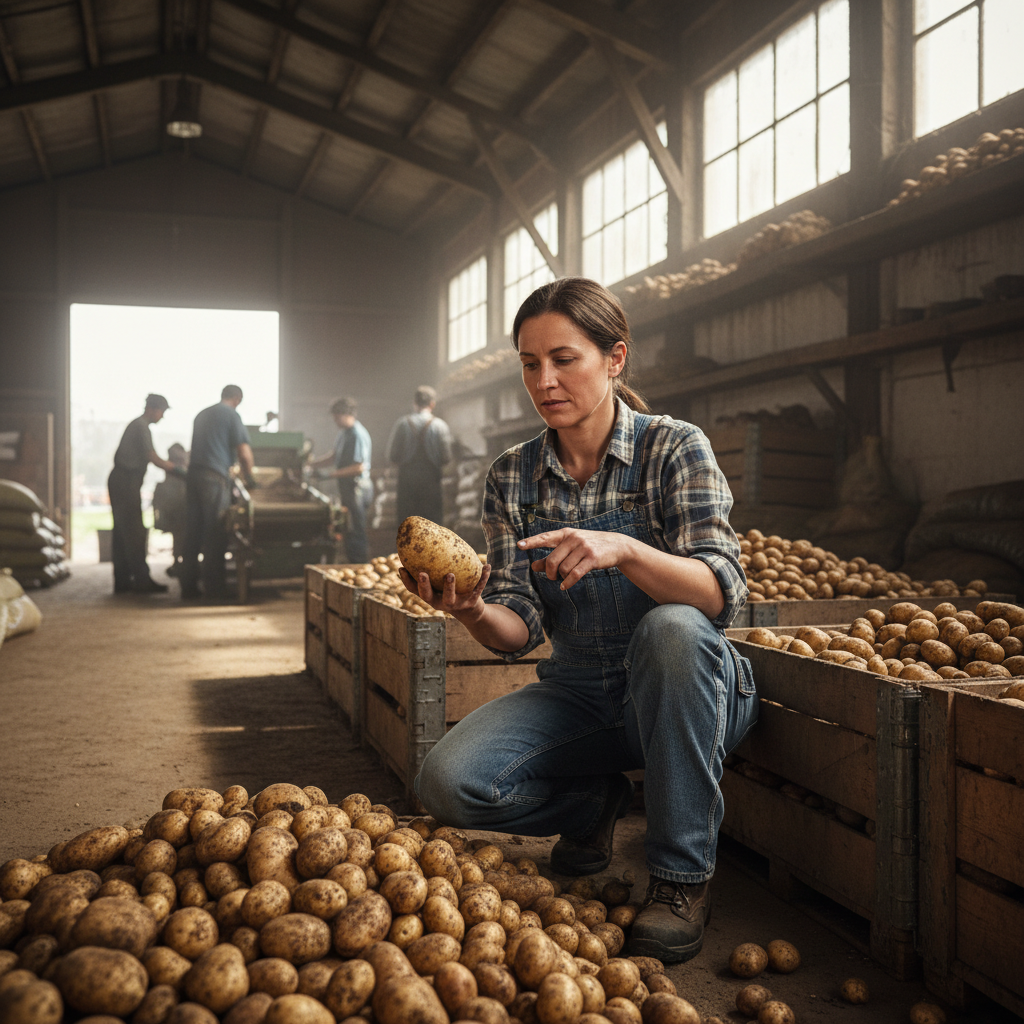
Chipping potatoes have long been essential to the production of high-quality potato chips. In the Carolinas, access to regionally suited potato varieties has the potential to strengthen the local supply chain, reduce dependency on imported crops, and boost the competitiveness of local snack manufacturers. Through partnerships with agricultural researchers, regional farmers can now access potato varieties adapted to the specific needs of North & South Carolina soil and climate conditions.
Pioneering Potato Breeding Methods
At the forefront of these advances are breeders who specialize in potato genetics, dedicating decades to developing new potato varieties that respond to modern challenges. Among the trailblazers, Michigan State University professor David Douches stands out for leading the development of five notable varieties over 15 years, including the recent release of a bioengineered potato capable of maintaining optimal sugar balance during cold storage. This is a critical breakthrough for minimizing spoilage and maintaining chip quality throughout the year.
Bioengineered Potatoes: Extending Shelf Life and Improving Quality
One of the challenges in chip processing is managing sugar accumulation in stored potatoes, which can result in unwanted browning and reduce product quality. Douches’ bioengineered solutions tackle this issue head-on. With the advancement of bioengineered potatoes, producers gain access to varieties designed to withstand lower temperatures without compromising sugar stability—a significant asset for both storage and disease prevention. These efforts align with growing demand in North & South Carolina for efficient, locally grown chip potatoes that meet high industry standards.
Michigan Potatoes and the National Chip Program
The National Chip Program, which evaluates hundreds of new potato varieties annually, has propelled Michigan potatoes to the forefront of the U.S. potato chips sector. The collaboration between chip manufacturers, such as Better Made Snack Foods, and research institutions ensures that only the best chipping potatoes reach processing plants. While Michigan’s model is well established, North & South Carolina stakeholders are taking cues from this success, fostering partnerships to implement similar strategies that prioritize potato storage improvements and the adoption of disease resistant potatoes suited for local farms.
Genetic Complexity and Local Impact
Developing new potato varieties is far from straightforward. The complexity of potato genetics means that breeding efforts often span several years and require close collaboration between breeders, farmers, and suppliers. In the Carolinas, such initiatives aim not only to improve local chip processing but to contribute to global food security through the distribution of robust, disease resistant potatoes that can help countries facing hunger and similar agricultural challenges.
Benefits for Local Growers and the Snack Industry
Advanced potato storage methods prolong shelf life, allowing for year-round local supplies and reducing the need to import potatoes from other states, which has historically been a challenge for the Carolinas. The introduction of storage-friendly varieties such as Manistee and Mackinaw demonstrates the economic and culinary benefits for local communities. These innovations support a thriving regional potato chips industry while also broadening the potential for exports and international aid.
Looking Ahead: Sustainable Growth and Collaboration
As North & South Carolina embrace advancements in potato breeding, bioengineering, and supply chain management, local communities stand to gain through more stable markets, reduced crop waste, and increased opportunities for agricultural growth. Collaboration among researchers, growers, and processors will remain essential to unlocking the full benefits of new varieties and ensuring potato chips continue to be a regional favorite for years to come.